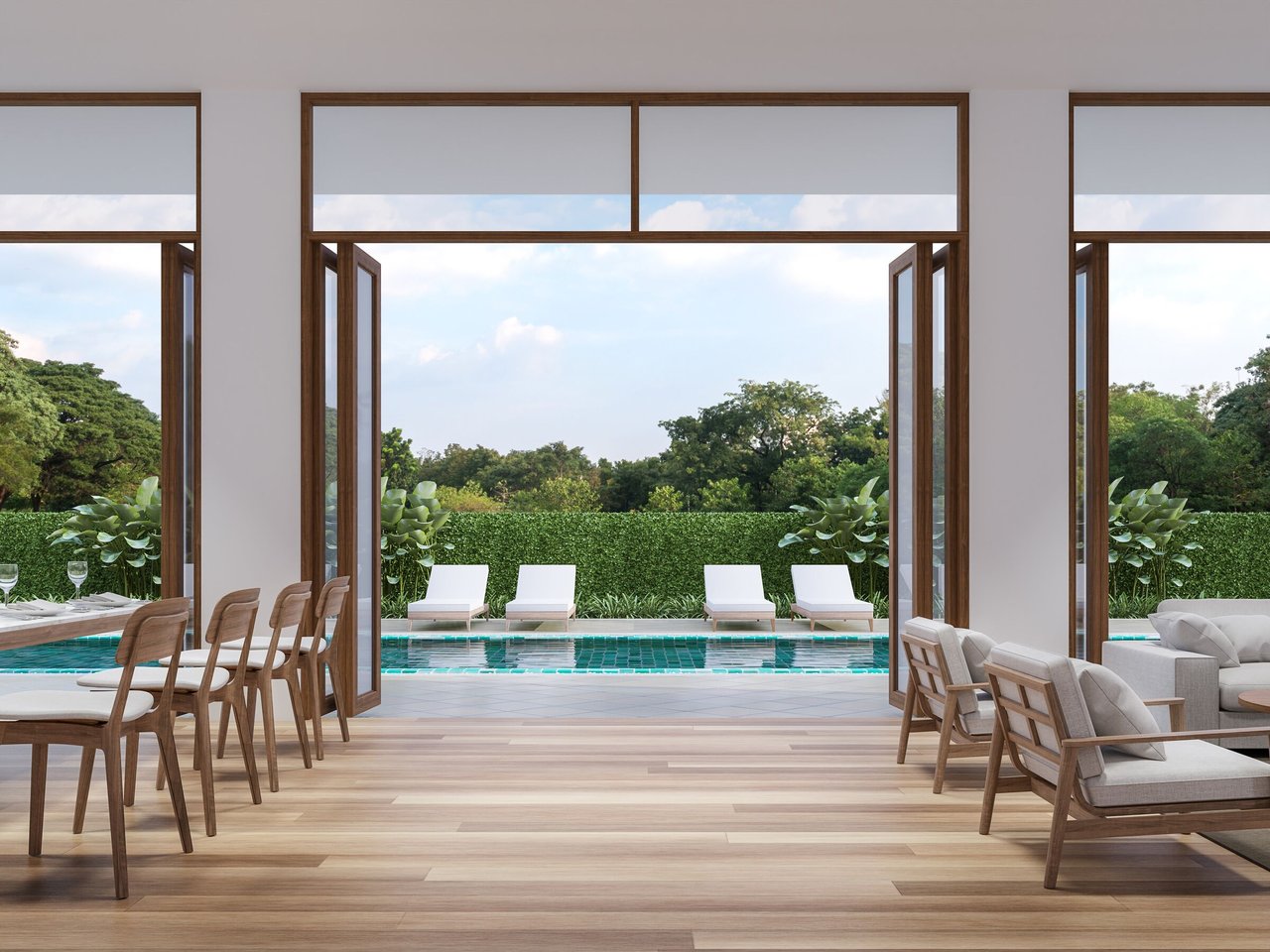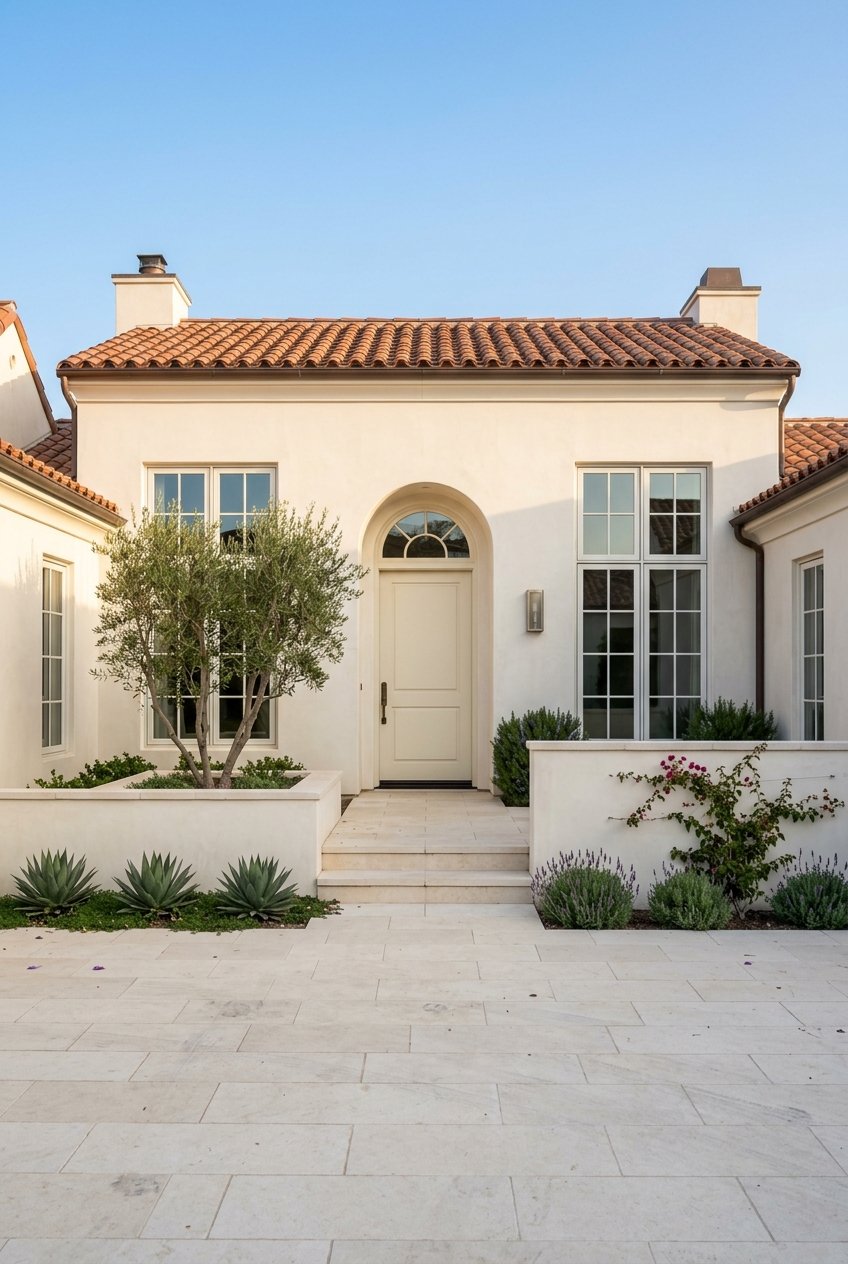
If Newport Coast homes all look luxurious at first glance, the real difference is in the details. You may know you love a house here, but not have the words for why one feels like an Italian villa, another like a coastal Spanish retreat, and another like a hillside European village. Understanding those design cues can help you buy with more confidence or position a home more effectively if you plan to sell. Let’s dive in.
Why architecture matters in Newport Coast
In Newport Coast, architecture is not just about appearance. It is closely tied to the land, the views, and the way homes are meant to be lived in.
Because Newport Coast is part of Newport Beach and was developed as a newer, highly planned coastal community, its homes reflect both luxury design trends and local planning priorities. The city notes that the area includes newer homes, upscale hotels, and the Pelican Hill Golf Course on hillsides above the Pacific, while nearby Crystal Cove State Park adds a historic coastal backdrop with restored 1930s-era cottages.
That mix gives Newport Coast a layered identity. It feels polished and intentional, but it also sits within a broader coastal setting that values open space, ridgelines, and ocean views.
How the landscape shapes design
The Newport Coast Local Coastal Program places strong emphasis on preserving ocean and canyon views, protecting coastal ridges, and clustering development to retain open space and reduce grading impacts. In simple terms, the land itself helps determine what homes look like.
That is one reason you see so many terraces, balconies, courtyards, and loggias throughout Newport Coast’s gated enclaves. Homes here are often designed to face outward toward views and outdoor living rather than rely on formal, street-facing presentation alone.
This planning approach also helps explain why Newport Coast does not read as a single-style market. Instead, it works as a collection of related design languages shaped by topography, privacy, and indoor-outdoor use.
The main architectural styles in Newport Coast
Several architectural themes appear again and again in Newport Coast’s gated communities. While individual homes vary, most fall within a Mediterranean-inspired family with local twists.
Mediterranean-inspired homes
Mediterranean is the broadest and most common term in Newport Coast. These homes often feature stucco walls, warm stone or plaster finishes, arches, terraces, and tile or slate rooflines.
In practice, this umbrella covers a wide range of homes, from grand estate properties to more relaxed coastal residences. If you are reading a listing in Newport Coast, “Mediterranean-inspired” is often the starting point rather than the full story.
Spanish Revival influences
In Crystal Cove especially, Spanish Revival appears in both traditional and updated forms. Research on local architect portfolios describes contemporary Spanish Revival and Santa Barbara Spanish Revival homes with white stucco, stone detailing, courtyards, loggias, balconies, and strong indoor-outdoor flow.
These homes often feel lighter and more coastal than heavier inland Mediterranean designs. Cleaner lines, ocean-facing openings, and cross ventilation are recurring themes.
Palladian and Italian Renaissance inspiration
At Pelican Hill, the architectural language becomes more formal and classically inspired. The resort describes its design as influenced by Andrea Palladio and the Venetian countryside, with Northern Italian landscaping, ocean-view terraces, and villas within an exclusive gated enclave.
This style tends to emphasize symmetry, villa-like proportions, and a resort-oriented sense of grandeur. It is one of the clearest examples of Newport Coast architecture that feels both residential and destination-driven.
Tuscan and European village styles
Pacific Ridge and Ziani introduce another design thread. Here, the architecture leans more European and Tuscan, with private courtyards, loggias, side-yard patios, and layered rooflines that create a more village-like feel.
JZMK describes Ziani as drawing from Tuscan hilltop villages, using gabled, hipped, and shed roofs across townhomes, carriage homes, flats, and three-story townhouses. This gives the area a more intimate, shared-circulation character than the larger estate enclaves.
Pelican Hill: grand and resort-inspired
Pelican Hill is one of Newport Coast’s strongest architectural identities. Irvine Company describes it as a Mediterranean village on 504 acres overlooking the Pacific, and the resort itself highlights Italian inspiration tied to Palladian ideals and the Venetian countryside.
For you as a buyer or seller, that means Pelican Hill homes are often best understood through the lens of scale, symmetry, and resort living. Expansive terraces, formal exterior materials, and view-oriented placement are central to the experience.
Some nearby estates also introduce French-inspired elements, including slate roofs, stone walls, stone columns, and large exterior living areas. Even with those variations, the overall tone remains elevated, classical, and highly view-conscious.
Common Pelican Hill features
- Ocean-view terraces
- Villa-style proportions
- Stone detailing and columns
- Classical symmetry
- Expansive outdoor entertaining areas
- A strong connection to resort-style living
Crystal Cove: coastal Mediterranean with Spanish character
Crystal Cove feels more varied, but it still has a recognizable design language. The community association describes it as a 24-hour gated community with staffed entry and resident amenity management at the Canyon Club, reinforcing a lifestyle centered on privacy, service, and outdoor enjoyment.
Architecturally, Crystal Cove homes frequently blend coastal Mediterranean and Spanish Revival influences. White stucco walls, stone accents, courtyards, terraces, porches, balconies, and infinity-edge pools show up often in project descriptions and custom home portfolios.
What sets Crystal Cove apart is the way these details are updated for contemporary luxury. Rather than feeling overly formal, many homes balance traditional cues with cleaner massing and stronger indoor-outdoor flow.
Common Crystal Cove features
- White stucco exteriors
- Courtyards and loggias
- Balconies and terraces
- Stone accents
- Infinity-edge pools
- Openings designed for light, air, and views
Pacific Ridge and Ziani: a village-like European feel
Pacific Ridge and Ziani offer a different expression of Newport Coast living. These communities still fit within the broader Mediterranean family, but they lean less toward estate grandeur and more toward layered, neighborhood-oriented design.
Belcara at Pacific Ridge emphasizes European architectural traditions with private courtyards, loggias, side-yard patios, and flexible layouts. Ziani builds on that idea with courtyard and motorcourt organization inspired by Tuscan hilltop villages.
For many buyers, this style feels approachable while still refined. The architecture supports privacy and outdoor use, but it does so with a more connected, village-like rhythm.
Common Pacific Ridge and Ziani features
- Courtyard-centered layouts
- Motorcourts
- Gabled, hipped, or shed rooflines
- Loggias and side-yard patios
- Layered massing
- A more intimate European village aesthetic
Newport Coast design terms worth knowing
If you are browsing listings or preparing to sell, a few key words can help you quickly understand how a home is positioned.
Loggia
A loggia is a covered outdoor space, often open on one side, that extends living space while offering shade and a strong connection to the outdoors.
Courtyard
A courtyard is an enclosed or semi-enclosed outdoor area that creates privacy, light, and usable exterior space. In Newport Coast, courtyards often serve as arrival spaces or protected entertaining areas.
Motorcourt
A motorcourt is a driveway-centered arrival space, often used in higher-end homes or attached luxury communities to create a more polished entry sequence.
Terrace
A terrace is an outdoor platform or paved area, frequently positioned to take advantage of ocean, canyon, or hillside views.
These are not just design buzzwords. In Newport Coast, they reflect how homes are actually planned and experienced.
What buyers should pay attention to
If you are shopping in Newport Coast, style matters, but so does the way that style works with the site. A beautiful house may look compelling online, yet the real value often comes from orientation, privacy, outdoor flow, and how well the design captures its setting.
As you compare homes, pay attention to:
- How the home frames ocean, canyon, or ridge views
- Whether outdoor spaces feel integrated or added on
- The relationship between courtyards, terraces, and interior rooms
- How formal or relaxed the architectural language feels
- Whether the style fits your daily lifestyle and entertaining preferences
In a market like Newport Coast, those details can shape long-term enjoyment just as much as square footage.
What sellers should understand about style
If you own a home in Newport Coast, your architectural style is part of your property’s story. Buyers are not only reacting to finishes and floor plans. They are also responding to whether the home feels resort-inspired, coastal Spanish, classically Mediterranean, or village-like European.
That is why presentation matters. Clear design language, strong photography, and thoughtful marketing can help buyers understand what makes a home distinctive within a competitive luxury market.
For architecturally significant or highly customized properties, it is especially important to position the home with precision. The right marketing approach can highlight siting, exterior living spaces, material choices, and the lifestyle the design supports.
Why Newport Coast is a layered design market
The biggest takeaway is that Newport Coast is not defined by one architectural style. It is better understood as a layered coastal design district where Mediterranean, Spanish Revival, Italian-inspired, French-influenced, and Tuscan-European ideas all appear across different gated enclaves.
What ties them together is the local framework. Homes are shaped by view preservation, ridgeline sensitivity, privacy, clustered development patterns, and a strong emphasis on outdoor living.
That combination gives Newport Coast its signature look. It is luxurious, highly intentional, and deeply connected to the coast.
If you are buying or selling in Newport Coast, understanding those architectural differences can help you make sharper decisions and recognize value more clearly. For guidance tailored to your goals, connect with the Annie Clougherty Team for a private consultation.
FAQs
What architectural style is most common in Newport Coast?
- Mediterranean-inspired architecture is the broadest and most common category, with many homes also showing Spanish Revival, Italian-inspired, or Tuscan-European influences.
What architectural style defines Pelican Hill in Newport Coast?
- Pelican Hill is best known for grand, resort-oriented architecture inspired by Palladian and Italian Renaissance traditions, with villas, terraces, and classical proportions.
What architectural style is common in Crystal Cove in Newport Coast?
- Crystal Cove commonly features coastal Mediterranean and Spanish Revival design, often with white stucco, stone accents, courtyards, balconies, and strong indoor-outdoor living.
How does Newport Coast planning affect home design?
- Local planning emphasizes preserving ocean and canyon views, protecting ridges, and clustering development, which helps explain the focus on terraces, loggias, courtyards, and view-oriented layouts.
What do terms like loggia and motorcourt mean in Newport Coast listings?
- These terms describe outdoor-oriented design elements common in the area. A loggia is a covered outdoor room, while a motorcourt is a driveway-centered arrival space often used for a more polished entry experience.
Why does architectural style matter when selling a Newport Coast home?
- Style helps define how buyers understand a property’s character, lifestyle appeal, and position within the market, which can influence marketing strategy and overall presentation.