If you think Corona del Mar feels like one neighborhood, spend one afternoon in the Village and another near the bluffs or coves. You will quickly see that CdM is really a collection of smaller pockets, each with its own daily rhythm, housing mix, and relationship to the coast. If you are trying to decide where you fit best, this guide will help you compare the area by lifestyle and setting so you can focus your search with more clarity. Let’s dive in.
Corona del Mar Works in Layers
Corona del Mar sits within Newport Beach, and the city identifies a wide range of places that shape its identity, including Corona del Mar State Beach, the Robert E. Badham Marine Conservation Area, Lookout and Inspiration Points, the village center along Coast Highway, and Sherman Library and Gardens. City coastal planning maps also separate Cameo Highlands, Cameo Shores, Corona del Mar, Corona Highlands, Shorecliffs, and Irvine Terrace into distinct coastal areas. That is a big reason why a broad CdM label does not always tell you much about how a home will actually live.
The Corona del Mar Residents Association map adds another useful layer. It shows that the Corona del Mar Village, often called the Flower Streets, is itself divided into five geographic sections. In practical terms, two homes with the same Corona del Mar address can offer very different experiences depending on whether you are closer to the Village core, the bluff edge, or the harbor entrance.
Flower Streets Define the Village
Village History Still Shapes Today
The Village is the historic heart of Corona del Mar, and its early layout still drives much of its character. The north-south streets were named after flowers, the east-west streets were numbered, and the original subdivision included about 2,300 parcels on 30-by-120-foot lots. That compact pattern still influences what buyers see today.
The area was annexed by Newport Beach in 1924, which tied it more closely to city services and the larger Newport Beach identity. Even now, the Village stands apart because its street grid feels more intimate and established than many other coastal neighborhoods nearby.
Smaller Lots and Cottage Character
If you picture classic Corona del Mar cottages, you are probably picturing the Village. The Corona del Mar Residents Association notes that the Flower Streets were once dominated by eclectic cottages, with an estimated 1,800 in the 1960s. After its 2020 survey and later demolitions, 524 pre-1960 cottages remained.
That legacy matters because it helps explain why the Village often offers a broader mix of home types. Official planning text for the Corona del Mar Homes planned community describes a residential character of single-family and duplex housing types designed to fit the surrounding area. For you as a buyer, that can mean older cottages, compact detached homes, duplexes, and rebuilt or updated properties on smaller parcels.
Walkability Is the Main Draw
The Village is the most walkable and street-oriented part of CdM. The city’s commercial corridor study focuses on creating a vibrant, lively, walkable, and connected main street environment, and the city’s community information highlights shops, boutiques, restaurants, and Sherman Library and Gardens nearby.
If your ideal day includes walking to coffee, dinner, or small errands, the Village is usually the first place to explore. You may trade away larger lots or a more secluded setting, but you gain a more connected everyday experience.
Future Changes Matter Here Most
The Village is also where public planning changes are most relevant. As of 2026, the city is still studying the Corona del Mar commercial corridor with attention to zoning, parking, safety, mobility, and walkability improvements.
That does not mean the area is losing its identity. It means buyers should understand that the most urban-feeling part of CdM is also the area where public realm updates may shape how the neighborhood functions over time.
Oceanfront Pockets Feel Different
Big Corona and Little Corona
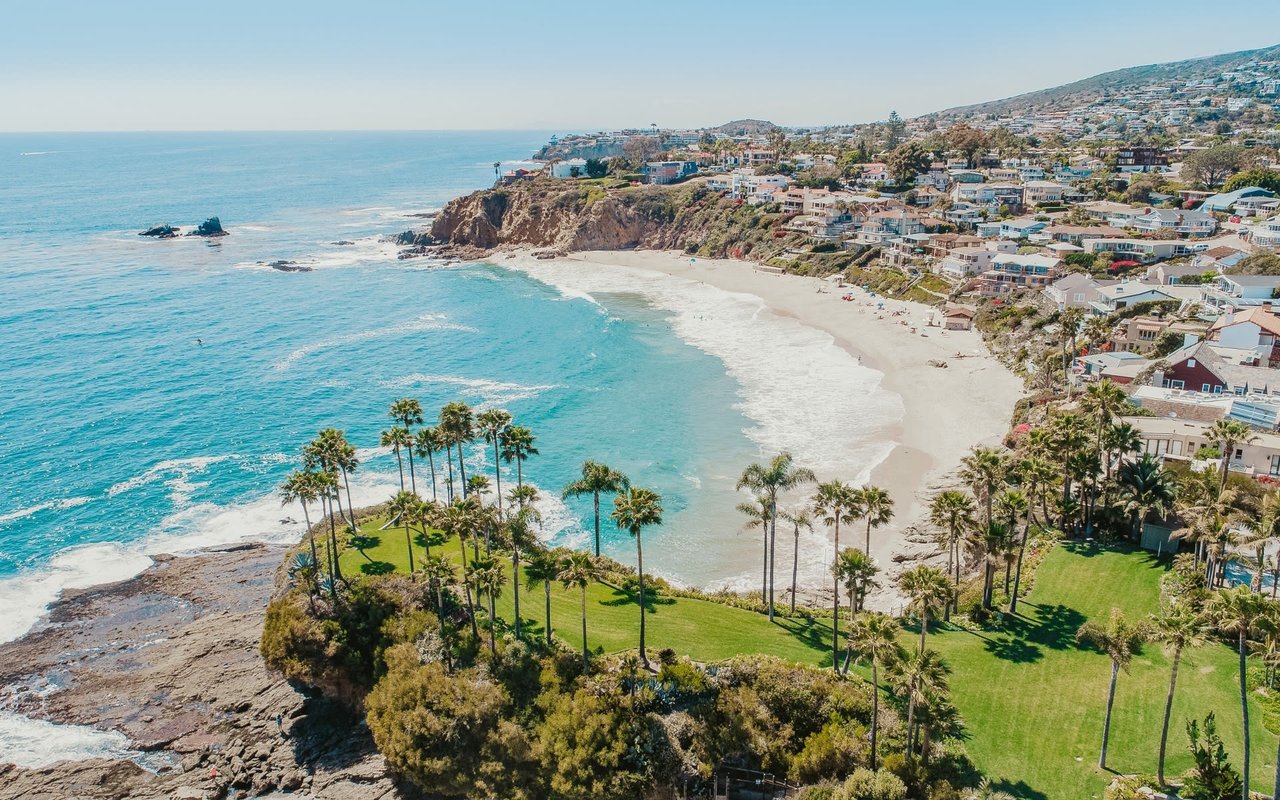
The shoreline side of Corona del Mar has a very different personality from the Village. Corona del Mar State Beach, also known as Big Corona, is a half-mile sandy beach south of the Newport Harbor entrance. The city notes access from the road near Ocean Boulevard and Jasmine Avenue, plus walkways at Lookout Point and Inspiration Point.
Little Corona offers a smaller sandy cove with rocky intertidal platform reefs, reached by a walkway at Poppy Avenue and Glen Drive. If you want daily life to feel closely tied to sand, surf, bluff paths, and open water, these areas stand out.
China Cove and Rocky Point
The city describes the bayside shoreline near the harbor entrance as high coastal bluffs with a few small sandy coves. China Cove is accessible from Cove Street and Shell Street, while Rocky Point is reached by a trail at Lookout Point and Corona del Mar State Beach.
These pockets are less about commercial convenience and more about scenery and shoreline access. For many buyers, that means the setting itself becomes the lifestyle feature.
Conservation Shapes the Experience
Little Corona is part of a marine conservation area, and the city notes that any added public access must stay consistent with natural resource protection. The same planning documents say the Little Corona tide pools receive thousands of visitors each year and are managed through the city’s tidepool ranger program.
That gives this part of CdM a special quality. The beach and cove environment is highly valued, but it is also carefully managed because of its ecological sensitivity.
Beach Amenities Add Energy
Corona del Mar State Beach is not just scenic. It is also a full-amenity beach with picnic facilities, barbecues, fire rings, restrooms, and showers.
For you, that can translate to a more active public-coastal environment nearby. In other words, shoreline living here can feel less like a quiet edge and more like living next to one of Newport Beach’s signature outdoor destinations.
Bluff-Top Areas Prioritize Views
Topography Defines the Lifestyle
Along parts of Corona del Mar, Shorecliffs, and Cameo Shores, ocean-facing coastal bluffs shape both the scenery and the residential pattern. The city’s coastal resource plan identifies these bluff-top areas as important scenic and environmental resources, with setbacks used to help maintain geologic stability and protect coastal views.
This is a helpful distinction if you are comparing neighborhoods. In these areas, the story is often less about walkability and more about outlook, siting, and how the home relates to the land.
Bluff-Face Development Is Part of CdM
The same city plan notes that Corona del Mar is one of the few coastal-zone areas with extensive development on the bluff face itself, especially along Avocado Avenue, Pacific Drive, Carnation Avenue, and Ocean Boulevard. The document explains that this pattern reflects existing conditions and helps preserve coastal views from the bluff top.
For buyers, that means some parts of CdM are defined by dramatic elevation and coastal exposure. Those physical conditions can shape everything from the feel of the street to the way a property captures views.
Cameo Shores and Shorecliffs
Cameo Shores and Shorecliffs are best understood as view-oriented coastal enclaves. Official local coastal maps place both in their own area-map category and include them in bluff-overlay areas.
If you value privacy, outlooks, and a more secluded residential atmosphere, these communities often rise to the top of the list. They offer a very different experience from the compact, active Village blocks.
Irvine Terrace Offers a Strategic Location
Irvine Terrace sits in the coastal zone and within the bluff-overlay system, but it fills a somewhat different role than the more secluded bluff communities. City planning documents place it across East Coast Highway from the Irvine Terrace residential community and note practical connections to nearby amenities, including access to the Newport Beach Country Club via a drive aisle connected to Irvine Terrace.
A separate city resolution describes Irvine Terrace as having a pattern of single-story, single-family dwellings. For many buyers, the appeal is not only the neighborhood setting itself but also its position as a bridge to Newport Center and Fashion Island.
If you want CdM character with convenient access to that side of town, Irvine Terrace is often a strong match. It tends to suit buyers who want a residential feel without feeling tucked away from larger Newport Beach destinations.
Harbor View Hills Feels More Hilly
Harbor View Hills adds another variation to the Corona del Mar conversation. Planned-community text says it is intended primarily for single-family residential housing under hillside topographic conditions, with permitted detached and attached single-family dwellings, plus parks, open space, and an 8.6-acre neighborhood shopping complex serving residents.
Compared with the Village, Harbor View Hills can feel more hillside and suburban in character. If you want a traditional single-family setting with neighborhood-serving amenities and less village-core intensity, it is a natural area to compare.
How to Shortlist CdM by Lifestyle
If you are narrowing your options, it helps to think less about the zip code and more about how you want your days to feel. In Corona del Mar, lifestyle clues often tell you more than a simple map boundary.
Here is a practical way to start your shortlist:
- Choose the Village if you want the most walkable, in-town experience with shops, dining, cottages, smaller lots, and a stronger street life.
- Choose the shoreline pockets near Big Corona, Little Corona, China Cove, or Rocky Point if beach access, coves, bluff paths, and water views are your top priorities.
- Choose Cameo Shores or Shorecliffs if privacy, views, and a more secluded coastal setting matter most.
- Choose Irvine Terrace if you want a CdM location with strong access to Newport Center, Fashion Island, and nearby club-oriented amenities.
- Choose Harbor View Hills if you prefer a hillside single-family environment with open space and local convenience.
One final point is worth remembering. Official housing and landform documents suggest that the Village offers the broadest mix of older cottages, smaller detached homes, duplexes, and some attached product, while bluff-top and oceanfront locations are shaped by topography, setbacks, and limited land. That helps explain why your options can change so much from one CdM pocket to the next.
If you are weighing where to buy or preparing to position a home for sale in Corona del Mar, neighborhood-level strategy matters. The Annie Clougherty Team can help you evaluate each pocket with the local context, market insight, and tailored guidance needed to make a confident move.
FAQs
What makes Corona del Mar neighborhoods feel so different from each other?
- Corona del Mar includes several distinct micro-neighborhoods, and city planning maps separate places like the Village, Cameo Shores, Shorecliffs, and Irvine Terrace because each has a different setting, layout, and lifestyle feel.
What is the Flower Streets area in Corona del Mar?
- The Flower Streets, also called the Village, are the historic core of Corona del Mar, known for its flower-named streets, compact lots, cottage legacy, duplex and single-family mix, and strong walkability near Coast Highway.
Which Corona del Mar area is best for walkability?
- The Village is generally the most walkable part of Corona del Mar because it has the strongest connection to shops, restaurants, and neighborhood services along the commercial corridor.
Which Corona del Mar areas are closest to beaches and coves?
- Homes near Big Corona, Little Corona, China Cove, and Rocky Point are the most closely tied to beach access, bluff paths, coves, and shoreline scenery.
What should buyers know about Little Corona in Corona del Mar?
- Little Corona is part of a marine conservation area with protected natural resources, and the tide pools are actively managed by the city, so the area combines coastal beauty with environmental sensitivity.
How are Cameo Shores and Shorecliffs different from the Village in Corona del Mar?
- Cameo Shores and Shorecliffs are more secluded, view-oriented bluff communities, while the Village is denser, more walkable, and more closely tied to shops and daily errands.
Why do buyers consider Irvine Terrace in Corona del Mar?
- Irvine Terrace often appeals to buyers who want a residential coastal setting with practical access to Newport Center, Fashion Island, and nearby country club amenities.
What is Harbor View Hills like compared with other Corona del Mar neighborhoods?
- Harbor View Hills has a more hillside, single-family character with parks, open space, and neighborhood-serving amenities, making it feel different from the Village and the more shoreline-focused pockets.