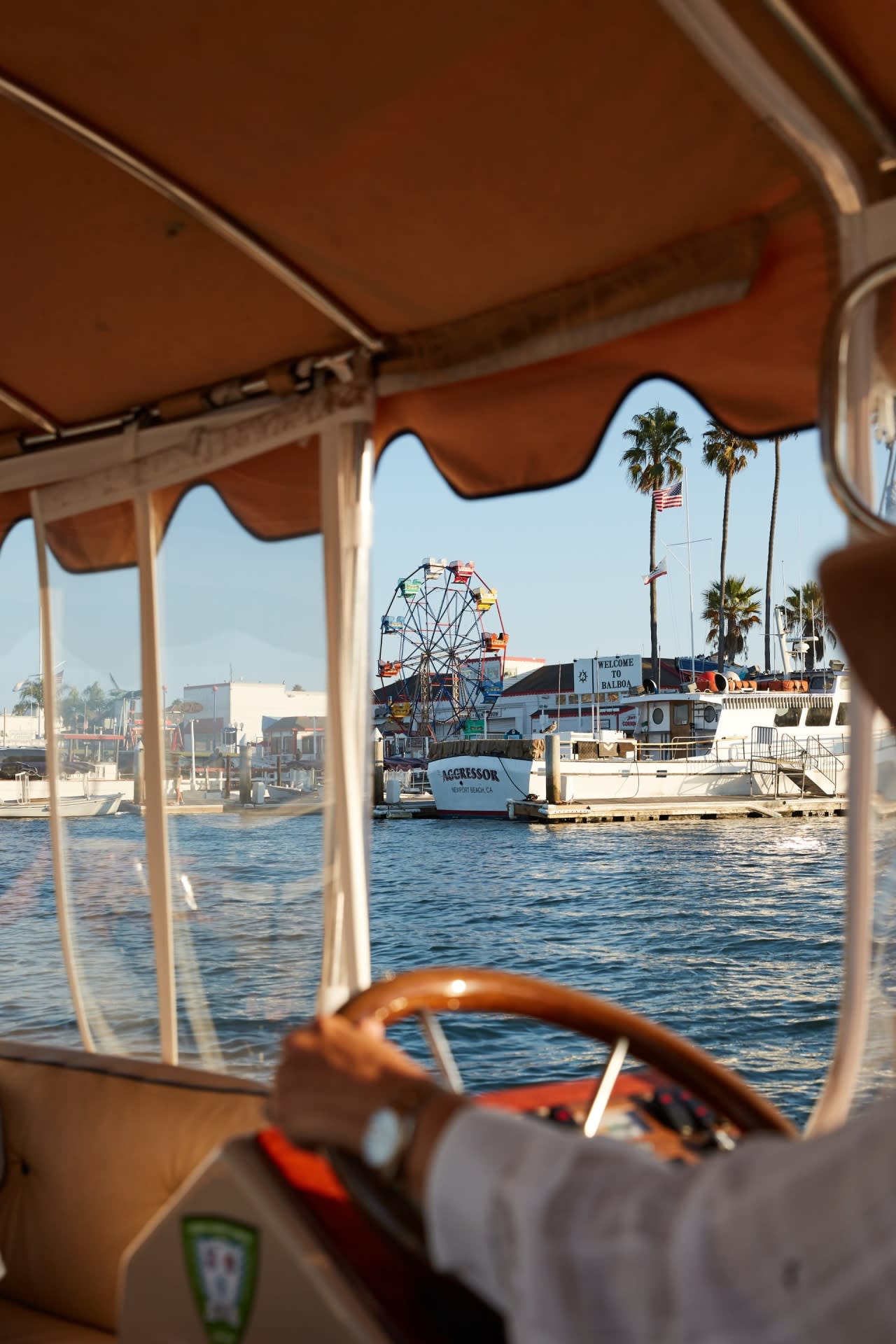
If you picture Newport Harbor as just a pretty backdrop, you are missing what makes it special. Living here is less about a single view and more about how your whole day starts to move differently, from morning walks along the water to boating logistics, ferry crossings, and evenings shaped by harbor quiet hours. If you are considering a move to Newport Harbor, this guide will help you understand how homes, boat access, and everyday routines actually work. Let’s dive in.
Newport Harbor at a glance
Newport Harbor is one of Newport Beach’s defining features. The city describes it as one of the largest recreational harbors in the United States, with more than three miles of waterfront and more than 9,000 recreational vessels.
That scale matters when you think about lifestyle. This is not a small marina community tucked into one corner of town. It is a large, active harbor environment where residential streets, waterfront access, boating rules, and village-style amenities all shape daily life.
The harbor also sits within Newport Beach’s low-elevation coastal zone. That becomes important when you move from dreaming about harbor living to reviewing real ownership details like flood-zone considerations, elevation certificates, and property-specific access rights.
Harbor neighborhoods feel distinct
Newport Harbor living is centered around the Balboa Peninsula and the harbor islands. The Peninsula stretches about three miles between Newport Harbor and the Pacific Ocean, and the main channel runs along the inside of the Peninsula and among the islands.
The city describes eight islands within the harbor. Seven are strictly residential, while Balboa Island includes homes along with some small commercial uses. In practice, that means harbor living is not one uniform experience. It feels more like a collection of small waterfront enclaves, each with its own pace and layout.
Balboa Peninsula lifestyle
The Balboa Peninsula offers a close relationship to both the harbor and the ocean. For many buyers, that means easy access to waterfront activity along with a setting shaped by walking routes, ferry service, and public spaces that keep you connected to the water.
The Peninsula is also influenced by practical transportation patterns. The Balboa Peninsula Trolley was created in part to reduce cruising for parking, which gives you a sense of how movement here is often designed around high seasonal activity and compact coastal streets.
Island living and village character
Balboa Island, Lido Isle, and nearby village areas each bring a different day-to-day feel. The city highlights Balboa Island, Lido Marina Village and Lido Isle, and Balboa as distinct centers with waterfront dining, shops, ferry access, and pedestrian-oriented streets.
For you, that can translate into a more walkable daily rhythm. Instead of driving everywhere, you may find yourself building your day around a perimeter walk, a bike ride, a short ferry trip, or a stop along a nearby commercial street.
What harbor homes actually look like
When many buyers imagine Newport Harbor, they picture a waterfront single-family home with a private dock. Those homes do exist, and they are the most iconic expression of harbor living.
At the same time, not every harbor property comes with that setup. The city’s harbor standards cover single residential docks, joint residential docks, and multi-residential dock systems. That means waterfront ownership can take a few different forms, and the details matter.
Newport Beach says it is responsible for more than 850 permitted residential piers along the bayfront. The city also handles pier permit transfers at the close of escrow after inspection, which makes permit verification an important part of any harbor-side purchase.
Private pier versus shared access
A private pier can be attractive if you want direct access from your home to your vessel. It can simplify your routine, but it also adds another layer of due diligence because permit status, inspection requirements, and transfer procedures need to be confirmed.
In some cases, a joint dock or multi-residential dock arrangement may better match the property. If you are comparing options, it helps to look beyond the headline of “waterfront” and ask exactly how access is structured.
You do not need a private dock
Not every harbor buyer needs a home with its own pier. Newport Beach’s Harbor Department manages Marina Park’s guest marina with available slip rentals and moorings, and Balboa Yacht Basin is a city marina with 172 slips for vessels from 31 to 75 feet.
That means your boating lifestyle can be supported in different ways. You might own a residence with a dock, keep a boat in a marina slip, or use a mooring arrangement depending on your vessel, budget, and preferred routine.
Boating is part of daily life
On Newport Harbor, boating is not an occasional extra. It is part of the area’s everyday identity. With more than 9,000 recreational vessels, the harbor runs on clear systems, active oversight, and rules that help a busy waterfront community function smoothly.
The Harbor Department conducts daily patrols and manages moorings, guest slips, anchorages, and live-aboard matters. If you plan to spend time on the water, it helps to understand that harbor living includes both freedom and structure.
Harbor rules to know
Some of the most important everyday rules include:
- A no-wake zone
- A 5 mph speed limit
- A no-discharge zone
- No dumping
- Quiet hours from 10 p.m. to 7 a.m.
These rules affect the pace and feel of life on the water. They help explain why Newport Harbor often feels orderly and residential even though it supports a large number of boats.
Moorings, dockage, and short-term access
Short-term boating access is also organized. City-owned moorings may be reserved in advance, requests can be made 48 hours ahead, and public docks are located throughout the harbor for short-term dockage.
The city also provides free public pump-outs at various locations. Anchorage is limited to 72 hours, raft-ups require approval, and many moorings are bow-and-stern. If you are used to boating elsewhere, these details can affect how easy and flexible your routine feels here.
Depth and tide matter
For larger vessels, Newport Harbor requires attention to depth and tide. The city says the main channel is about 20 feet deep in the center and roughly 8 feet on the outside.
Along Lido Isle, depth can be as little as 9 feet. Boats drawing more than 6 feet need to watch conditions carefully. That is one reason harbor living can be more specialized than simply owning property near the beach.
The daily rhythm is highly local
One of the biggest appeals of Newport Harbor is how local everyday life can feel. Many routines are shaped by short distances and repeatable habits rather than long drives.
You might start the morning with a walk around Balboa Island’s perimeter path, head toward Marine Avenue, cross on the Balboa Island Ferry, or spend time near the waterfront streets around Lido. These are not just visitor activities. They are part of the daily rhythm that draws many buyers to the harbor.
The Balboa Island Ferry has provided continuous service since 1919, which shows how long water-based movement has been built into the area. In a harbor setting like this, transportation and lifestyle often overlap.
Buyer details that matter most
The visual appeal of harbor homes is obvious. The practical details are where smart buying decisions are made.
Newport Beach classifies West Newport, the Balboa Peninsula, and Newport Bay as low-elevation areas. The city also says flood hazard areas are subject to periodic inundation, which is why flood-zone review and elevation certificates matter when you evaluate a property.
Confirm dock and mooring rights
If a property is marketed with boating access, verify exactly what transfers with the sale. The city notes that harbor tidelands are held in public trust and that it is reviewing how moorings, residential piers, and other harbor permits are managed.
That means you should not assume a dock right, mooring arrangement, or similar privilege automatically passes from seller to buyer. Clear review during escrow is essential.
Understand harbor permits
For waterfront properties, permits can be just as important as the structure itself. Since the city handles pier permit transfers after inspection at close of escrow, buyers should look carefully at the timing and status of those approvals.
This is where local market knowledge becomes valuable. The right guidance can help you focus not only on the home, but also on the real mechanics of living on the harbor.
Live-aboard rules are separate
If you are considering living aboard a vessel instead of buying a home, that is a separate path. Newport Beach requires a live-aboard permit, permits are valid for 12 months, and they are not transferable.
The harbor also remains a no-discharge zone. So while living aboard may sound flexible, it comes with its own set of local rules and approvals.
Why Newport Harbor living stands out
What makes Newport Harbor different is the combination of waterfront housing, active boating culture, and neighborhood-scale daily life. You are not just buying a view. You are stepping into a living system made up of docks, ferries, quiet hours, marinas, tides, walking routes, and village centers.
For some buyers, that rhythm feels immediately natural. For others, the appeal grows once they understand the details behind access, ownership, and routine. Either way, Newport Harbor tends to reward a more informed approach.
If you are exploring Newport Harbor real estate, the most helpful next step is to match the lifestyle you want with the type of access that supports it. The right home may be a private-pier property, a harbor-view residence near village amenities, or a home paired with a marina or mooring setup. If you want clear local guidance on navigating Newport Harbor homes and lifestyle considerations, connect with the Annie Clougherty Team.
FAQs
What is Newport Harbor like for everyday living in Newport Beach?
- Newport Harbor living is shaped by a mix of waterfront homes, boating activity, walkable village areas, ferry access, and short local trips rather than one single neighborhood experience.
Do all Newport Harbor homes in Newport Beach come with private docks?
- No. Some properties have private piers or docks, while others may use joint docks, multi-residential dock systems, marina slips, or mooring arrangements.
What boating rules matter most on Newport Harbor?
- Key rules include a no-wake zone, a 5 mph speed limit, a no-discharge zone, no dumping, and quiet hours from 10 p.m. to 7 a.m.
What should buyers verify before purchasing a Newport Harbor home?
- Buyers should review flood-zone considerations, elevation-related documentation when relevant, and whether dock rights, pier permits, mooring arrangements, or other harbor privileges actually transfer with the property.
Can you live aboard a boat on Newport Harbor in Newport Beach?
- Yes, but it is regulated through a separate live-aboard permit system. Permits are valid for 12 months, are not transferable, and the harbor remains a no-discharge zone.