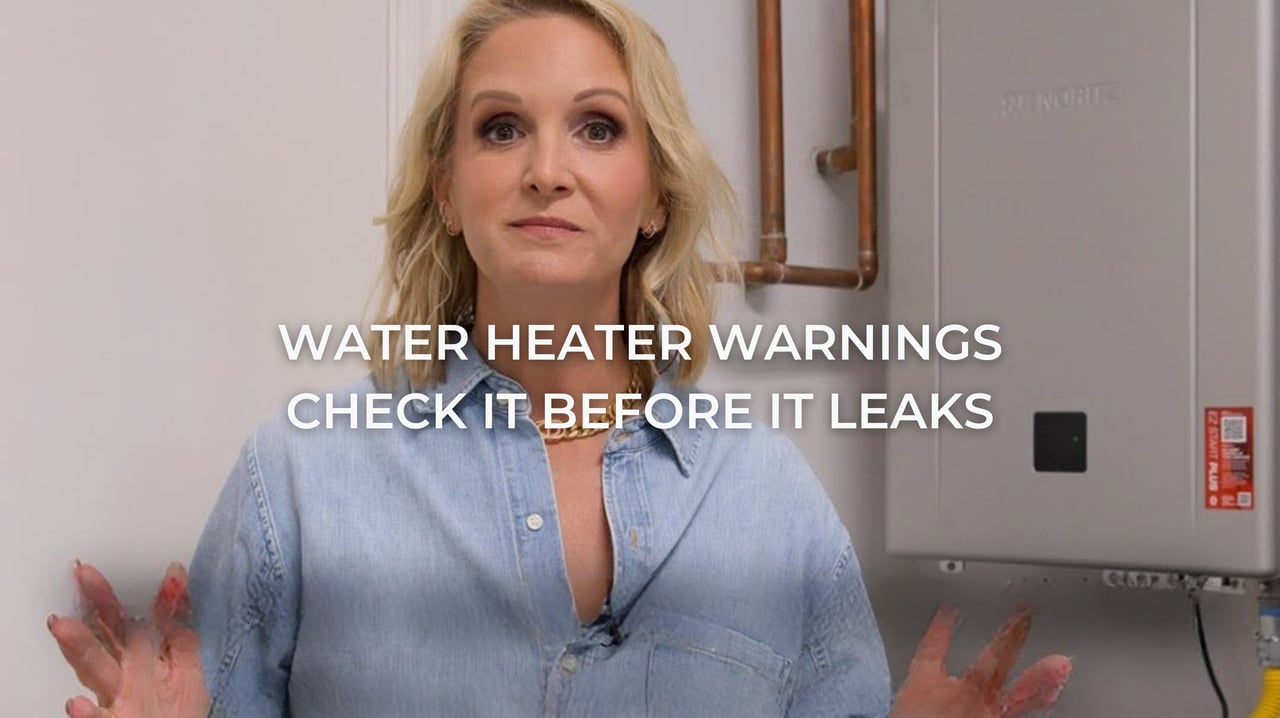
When Homeownership Tests Your Timing
If Murphy’s Law has a favorite target, it’s homeowners. Because if something can fail, it will—often during your holiday party, right before guests arrive, or as you’re ringing in the New Year with champagne in hand.
Among the most notorious offenders? The water heater.
Water heaters are sneaky. They don’t always announce their retirement politely. Instead, they fail dramatically—flooding garages, warping hardwood floors, soaking drywall, and somehow zeroing in on the one area you just remodeled. In luxury homes especially, the damage can be fast, expensive, and emotionally draining.
The good news: most catastrophic water heater failures give warning signs. The even better news: a little proactive planning now can save you from starting the New Year with an insurance claim instead of a clean slate.
Murphy’s Law of Homeownership Explained
Murphy’s Law states that anything that can go wrong will go wrong—at the worst possible time. In homeownership, this translates to systems failing when:
Contractors are unavailable
Insurance deductibles reset
Guests are staying over
You’re mentally and financially unprepared
Water heaters fit this law perfectly. They operate quietly, out of sight, and are often ignored until something goes very wrong.
Why Water Heaters Fail So Spectacularly
Unlike many appliances, water heaters hold 40–80 gallons of pressurized hot water at all times. When internal components degrade—often due to age or sediment buildup—the result isn’t just inconvenience. It’s damage.
Common consequences of water heater failure include:
Flooded garages or utility rooms
Ruined flooring (especially hardwood or engineered wood)
Mold-prone drywall damage
Electrical hazards
Disrupted holiday plans and emergency repairs
In higher-end homes, finishes and materials amplify repair costs quickly.
Warning Signs Your Water Heater Is on Borrowed Time
Water heaters rarely fail without warning. The challenge is knowing what to look—and listen—for.
1. Popping or Bubbling Sounds
Sediment buildup at the bottom of the tank causes water to boil unevenly, creating popping or rumbling noises. This stresses the tank and shortens its lifespan.
2. Rust Around the Base
Visible rust or corrosion near the bottom of the unit is a red flag. It often means the tank lining has failed and leakage isn’t far behind.
3. Water Pooling Nearby
Any moisture around the water heater—no matter how small—should be investigated immediately.
4. Hot Water Runs Out Too Fast
If your hot showers are suddenly short-lived, the tank may be struggling internally or losing capacity due to sediment.
5. You Don’t Know Its Age
If you can’t remember when the water heater was installed—or inherited it with the home—it’s likely approaching or exceeding its safe lifespan.
Most traditional tank water heaters last 8–12 years. Beyond that, you’re gambling.
Why Holiday Season Failures Are So Common
Holiday periods place extra strain on home systems:
Increased hot water usage
Colder temperatures stressing components
Delayed maintenance due to busy schedules
Combine that with aging infrastructure, and Murphy’s Law strikes right on cue.
The Smart, Boring (and Very Wise) Move
Here’s the reality: replacing a water heater before it fails is not glamorous. But it’s one of the smartest homeownership decisions you can make.
Proactive Steps to Take Now
Check the unit’s age (manufacturer label or serial number)
Schedule a professional inspection
Plan for replacement if it’s nearing end-of-life
Upgrade to a high-efficiency or tankless system if appropriate
Replacing a water heater on your timeline—not during an emergency—means better options, better pricing, and far less stress.
Why Leak Detectors Are a Must-Have Upgrade
One small device can make a massive difference: a water leak detector.
These inexpensive, easy-to-install devices:
Sit near water heaters, washing machines, or sinks
Detect moisture immediately
Send alerts directly to your phone via an app
Help prevent catastrophic damage when you’re not home
They aren’t glamorous—but neither is dealing with insurance adjusters during the holidays.
Home Maintenance as a Value Strategy
From a real estate perspective, proactive maintenance protects more than your peace of mind—it protects your home’s value.
Homes with documented maintenance:
Appraise stronger
Show better
Sell faster
Experience fewer inspection issues
Buyers notice well-maintained mechanical systems. They also notice water damage.
A New Year Without Unnecessary Surprises
Murphy’s Law may be inevitable—but its impact doesn’t have to be.
Checking your water heater, planning a replacement, and installing a leak detector are simple steps that can prevent thousands of dollars in damage and weeks of disruption.
It may not feel exciting—but it beats ringing in the New Year with wet floors and repair crews.
FAQs: Water Heaters & Homeownership
How long does a water heater typically last?
Most traditional tank water heaters last 8–12 years. Tankless systems can last 15–20 years with proper maintenance.
What causes water heaters to fail suddenly?
Sediment buildup, internal corrosion, pressure issues, and aging components are the most common causes.
Should I replace my water heater before it fails?
Yes. Preventive replacement is far less expensive and disruptive than emergency replacement after a leak or flood.
Are leak detectors worth it?
Absolutely. They are inexpensive, easy to install, and can prevent catastrophic water damage.
Does replacing a water heater increase home value?
While not flashy, updated mechanical systems improve buyer confidence and reduce inspection concerns—often supporting stronger offers.
Homeownership comes with surprises—but the smartest homeowners reduce risk before it becomes a problem.
If you’re unsure about your home’s systems, thinking about selling, or planning upgrades that protect long-term value, professional guidance makes all the difference.
If you’d like help evaluating your home, planning smart upgrades, or preparing for the future, I’m here to help. Reach out anytime for personalized real estate guidance.